
Customer perception is shaped long before a purchase is made and continues well after the transaction is complete. Every interaction, whether digital, in-person, or indirect, contributes to how a brand is viewed over time. For organizations operating in competitive markets, perception often becomes the deciding factor that influences loyalty, referrals, and long-term growth. Businesses that understand this dynamic recognize that customer experience is not limited to customer service departments or sales teams alone. It is the result of coordinated efforts across branding, operations, communication, and follow-through.
As customers encounter a company through websites, emails, social platforms, physical environments, and word-of-mouth, they form opinions based on consistency, clarity, and responsiveness. Even minor misalignments between messaging and execution can undermine credibility. On the other hand, intentional alignment across touchpoints strengthens confidence and encourages repeat engagement. When organizations commit to improving customer perception across every stage of the journey, they position themselves to stand out in crowded industries where products and pricing may be similar.
The strategies outlined below focus on creating alignment, reducing friction, and reinforcing positive impressions at each customer interaction. By addressing both visible and behind-the-scenes touchpoints, businesses can build experiences that feel intentional rather than reactive. Over time, these efforts compound, resulting in stronger brand recognition, higher satisfaction, and more meaningful relationships with customers.
Creating Consistent Brand Experiences Across Physical and Digital Environments
Consistency is one of the most influential factors in improving customer perception because it reduces uncertainty. When customers know what to expect from a brand, they feel more comfortable engaging, purchasing, and recommending that business to others. Consistency applies not only to visual branding but also to tone, service standards, and operational reliability across all platforms.
In physical environments, consistency shows up in signage, printed materials, staff presentation, and even equipment quality. For example, organizations that rely on business printers for contracts, marketing materials, or instructional documents benefit from ensuring that every printed touchpoint reflects professionalism and clarity. Smudged text, outdated designs, or inconsistent formatting can subtly undermine confidence, even when the core service offering is strong.
Digitally, consistency extends to website navigation, messaging, and response times. Customers expect the same level of clarity and professionalism whether they are reading an email, browsing a landing page, or interacting through social media. Disjointed messaging or outdated content creates confusion and forces customers to work harder to understand what a business offers. That friction negatively affects trust and overall perception.
Operational consistency matters just as much. Reliable processes, predictable timelines, and clear communication reinforce the idea that a company is organized and dependable. When customers repeatedly encounter smooth interactions, they begin associating the brand with competence and attention to detail. Over time, this reliability becomes a defining characteristic of the business.
By aligning physical presentation, digital communication, and internal processes, organizations create a unified experience that supports improving customer perception at every interaction point. Consistency reassures customers that they are dealing with a company that values quality and follows through on its promises.
Designing Accessible and Inclusive Customer Touchpoints
Accessibility plays a critical role in shaping how customers perceive a brand’s values and priorities. Inclusive design signals respect, awareness, and consideration for diverse needs. When accessibility is treated as a core component rather than an afterthought, it contributes directly to improving customer perception across broader audiences.
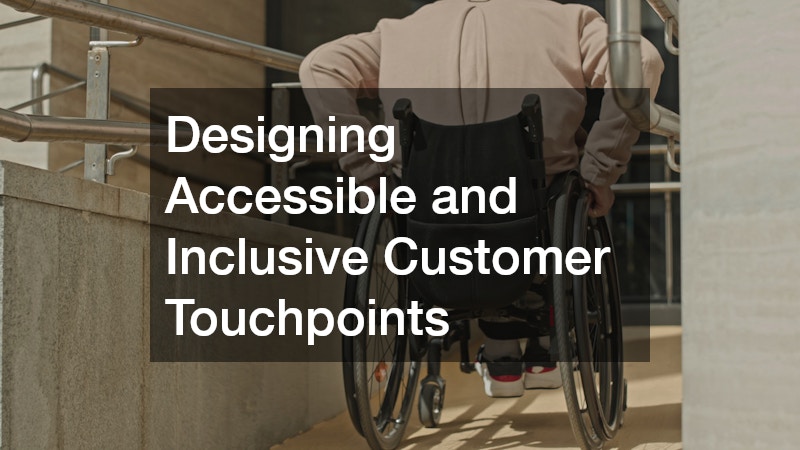
Physical accessibility is often one of the first areas customers notice. Clear pathways, thoughtful layouts, and accommodations for mobility needs communicate that a business welcomes all customers. Working with wheelchair ramp installers to ensure entrances and walkways are accessible is not only a functional decision but also a reputational one. Customers and their families notice when businesses take proactive steps to remove barriers rather than respond reactively.
Digital accessibility is equally important. Websites that are easy to navigate, readable across devices, and structured for assistive technologies create a smoother experience for all users. Clear fonts, logical page structures, and descriptive links help customers quickly find information without frustration. These design choices demonstrate empathy and foresight, which positively influence perception.
Inclusive communication also matters. Using clear language, avoiding unnecessary jargon, and providing multiple ways to contact a business ensure that customers with different preferences and abilities can engage comfortably. When customers feel considered rather than accommodated as an exception, their overall impression of the brand improves.
Organizations that prioritize accessibility build goodwill that extends beyond immediate transactions. Customers often share positive experiences related to inclusion, amplifying a brand’s reputation through personal networks. In this way, accessibility becomes a long-term investment in improving customer perception and fostering stronger community relationships.
Reinforcing Brand Visibility Through Strategic Visual Touchpoints
Visual touchpoints are often the first interaction customers have with a brand, making them critical in shaping initial impressions. Strong visual presence communicates professionalism, confidence, and clarity, while inconsistent or poorly executed visuals can raise doubts before a conversation even begins.
Mobile and environmental branding plays a powerful role in visibility. For companies that operate vehicles as part of their business, vehicle wrap services transform everyday transportation into moving brand statements. Clean, well-designed wraps reinforce recognition and legitimacy, especially in local markets where repeated exposure builds familiarity. Customers are more likely to trust brands they recognize, even subconsciously.
Beyond vehicles, visual consistency across signage, uniforms, and promotional materials strengthens brand recall. When customers encounter the same color schemes, typography, and messaging style across different environments, it reinforces the idea that the business is organized and intentional. This cohesion reduces cognitive effort for customers, allowing them to focus on the value being offered rather than deciphering mixed signals.
Digital visuals are equally influential. Imagery, layout, and design hierarchy on websites and social platforms guide user attention and shape emotional responses. Clean design suggests professionalism, while cluttered or outdated visuals can suggest neglect. These impressions form quickly and often influence whether customers choose to continue engaging.

Strengthening Trust Through Transparent Digital Discovery
The digital discovery phase is where many customer relationships begin, making it a critical opportunity to establish credibility. Transparency, clarity, and relevance during this stage strongly influence whether potential customers move forward or disengage. Businesses that invest in discoverability and clarity reduce friction and create more confident decision-making.
Search visibility plays a central role in this process. Working with an seo agency allows businesses to align their digital presence with how customers actively search for solutions. When content clearly answers questions, outlines services, and sets realistic expectations, customers feel informed rather than persuaded. This distinction is important for building credibility early in the journey.
Content quality also shapes perception. Educational resources, FAQs, and explanatory guides demonstrate expertise without requiring immediate commitment. When customers learn something valuable before purchasing, they associate the brand with helpfulness rather than pressure. This association carries forward into later interactions. By focusing on clarity and relevance during digital discovery, businesses can support improving customer perception before direct engagement even occurs. Customers who arrive informed and confident are more likely to engage positively, setting the stage for stronger long-term relationships.
Aligning Internal Culture With External Customer Expectations
Customer perception is deeply influenced by employee behavior, making internal culture a critical but often overlooked touchpoint. How teams are recruited, trained, and supported directly affects how customers experience a brand. Alignment between internal values and external messaging creates authenticity that customers can sense.
Organizations that partner with a talent acquisition company often gain access to candidates who align with their service philosophy and communication standards. Hiring individuals who naturally reflect the brand’s values reduces friction between what a company promises and how it actually operates. Customers quickly notice when staff interactions feel genuine rather than scripted.
Training and onboarding reinforce this alignment. Employees who understand the broader purpose of their role are better equipped to make judgment calls that prioritize customer experience. Empowerment, rather than rigid scripting, allows staff to respond thoughtfully to unique situations, which customers often interpret as care and professionalism.
Internal communication also matters. Teams that are informed about updates, policies, and expectations are less likely to deliver inconsistent messages. Consistency across departments reassures customers that the organization is coordinated and reliable.

Clarifying Brand Meaning Through Strategic Identity Development
A strong brand identity helps customers quickly understand who a business is and what it stands for. Clear identity reduces uncertainty and creates emotional resonance, both of which are essential for long-term loyalty. Identity is more than a logo; it encompasses voice, values, and visual language.
Investing in brand identity design services allows organizations to articulate their positioning clearly and consistently. When brand elements are intentionally developed, customers encounter a coherent story rather than fragmented messages. This clarity helps customers decide whether a brand aligns with their needs and values.
Emotional connection plays a role as well. Brands that communicate purpose and personality create stronger memories. Customers are more likely to remember and recommend businesses that feel distinctive rather than generic. Over time, this recognition contributes to preference, even in competitive markets. By clarifying identity, organizations strengthen improving customer perception through recognition, alignment, and emotional engagement. A well-defined brand makes every touchpoint more effective because it reinforces a consistent and meaningful message.
Building Emotional Connection Through Motivation and Thought Leadership
Emotional engagement deepens customer relationships by moving interactions beyond transactions. When businesses inspire, educate, or motivate their audiences, they create experiences that feel meaningful rather than purely functional. This emotional dimension significantly influences perception and loyalty.
Collaborating with local motivational public speakers for events, workshops, or community initiatives can humanize a brand and demonstrate commitment to personal or professional growth. These experiences position businesses as contributors to their communities rather than detached service providers.
By fostering emotional connection, organizations enhance improving customer perception through authenticity and shared values. Customers who feel inspired or understood are more likely to form lasting relationships and advocate for the brand.
Enhancing Operational Reliability Through Behind-the-Scenes Excellence
While customers may not see internal operations directly, they experience the outcomes of those systems. Reliability, accuracy, and efficiency all influence how customers perceive a brand’s competence. Behind-the-scenes investments often have the most direct impact on satisfaction.
For businesses involved in media, events, or production, tools like production monitors ensure quality control and consistency. Reliable equipment reduces errors, delays, and last-minute adjustments that can disrupt customer experiences. When outcomes meet expectations smoothly, customers associate the brand with professionalism.
Operational clarity also matters in logistics and fulfillment. Clear timelines, accurate tracking, and proactive communication reduce anxiety and uncertainty. Customers value knowing what to expect and being informed when changes occur.
Process optimization contributes to consistency as well. Standardized workflows allow teams to deliver predictable results while still accommodating individual needs. This balance reassures customers that quality will not fluctuate based on circumstance.
Strong operations quietly reinforce improving customer perception by eliminating friction and delivering on promises. When things work as expected, customers rarely notice, but when they fail, perception can shift quickly. Operational excellence ensures that positive impressions remain intact.

Delivering Reliability and Care Through Timely Fulfillment
Fulfillment and delivery are critical moments where expectations are either confirmed or challenged. Timeliness, condition, and communication during this phase strongly influence how customers judge the overall experience. A smooth delivery reinforces trust built earlier in the journey.
Partnering with dependable courier delivery services helps ensure that products and materials arrive as promised. Missed deadlines or damaged items can overshadow otherwise positive experiences. Conversely, reliable delivery reinforces the idea that a business values follow-through.
Communication during fulfillment is just as important as execution. Providing updates, confirmations, and clear instructions reduces uncertainty and keeps customers informed. When issues arise, proactive outreach demonstrates accountability and care. By prioritizing reliable fulfillment, organizations support improving customer perception at a stage where expectations are highest. Successful delivery confirms that earlier promises were not just marketing but genuine commitments.
Extending Brand Experience Through Personalized Products
Personalization adds a tangible dimension to customer experience by making interactions feel tailored rather than generic. Customized products often serve as reminders of a brand long after the initial transaction, extending perception into everyday life.
Using custom t-shirt printing for events, promotions, or employee apparel allows brands to create wearable touchpoints. These items reinforce identity and foster a sense of belonging among customers and staff alike. Quality and design matter, as poorly executed products can undermine the intended message.
Beyond visibility, customization communicates appreciation. Customers interpret personalized experiences as a sign that a business values individuality rather than treating everyone the same. This feeling strengthens emotional connection and satisfaction. By extending experiences through personalized products, businesses enhance improving customer perception beyond direct interactions. These tangible reminders keep brands present in customers’ lives, reinforcing positive associations over time.