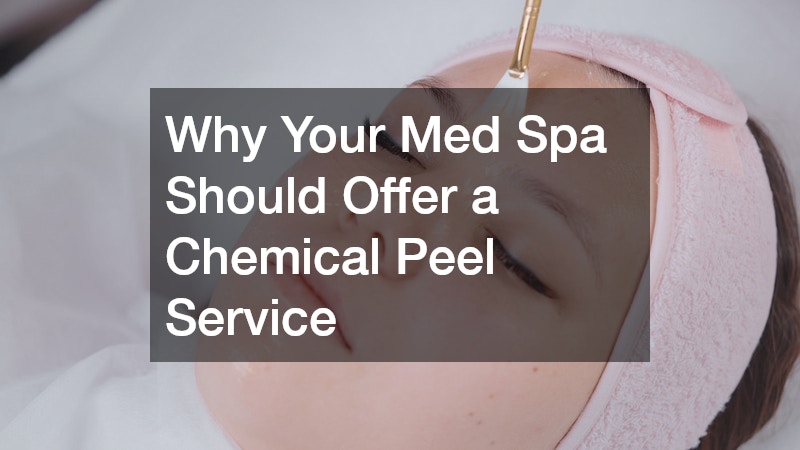
Chemical peels are becoming an essential service in med spas due to their effectiveness in improving skin health and appearance. This article explores why your med spa should consider offering a chemical peel service.
1. What are the benefits of offering chemical peels?
1.1. Enhancing Skin Health
Chemical peels can significantly improve skin texture, making it smoother and more appealing. They also assist in reducing fine lines and treating acne, offering a more youthful and clearer skin appearance.
With regular treatments, clients often notice a brighter and more even skin tone. This improvement in appearance can lead to increased confidence and satisfaction among clients.
Furthermore, chemical peels facilitate the shedding of dead skin cells, promoting the production of new, healthier skin. This helps in enhancing overall skin health over time.
1.2. Attracting a Diverse Clientele
Chemical peels have broad appeal because they address a variety of skin issues, from pigmentation to sun damage. This versatility makes them attractive to a wide range of clients looking for customized skincare solutions.
By offering chemical peels, a med spa can cater to clients with different beauty goals and age ranges. This inclusivity can significantly expand the spa’s client base.
Additionally, chemical peels are suitable for both men and women, providing a service that meets the needs of an increasingly diverse and gender-varied clientele.
2. How do chemical peels work?
2.1. Understanding the Process
Chemical peels involve applying a chemical solution to the skin that causes it to exfoliate and eventually peel off. The regenerated skin is usually smoother and less wrinkled than the old skin.
This process aids in removing dead skin cells and stimulates the production of new ones. Chemical peels, therefore, rejuvenate the skin, which in turn can enhance its overall glow and tone.
Clients typically undergo a series of treatments for optimal results, which is an important consideration for those seeking sustained skin improvements. This regimen allows for a gradual and safer transformation of the skin.
2.2. Variations in Chemical Peels
There are different types of chemical peels, each varying in intensity, duration, and recovery time. Superficial peels are the mildest, often requiring little to no downtime, making them ideal for first-time clients or regular maintenance.
Medium peels penetrate deeper into the skin and are effective for treating moderate skin imperfections. While deeper peels offer the most dramatic results, they often come with longer recovery periods, making them suitable for more severe cases.
By offering a range of peel depths, a med spa can tailor treatments to the specific needs and schedules of its clients. This customization can enhance client satisfaction and loyalty.
3. Who can benefit from chemical peels?
3.1. Different Skin Types and Issues
Candidates for chemical peels are generally selected based on skin type and specific skin concerns. Peels are particularly beneficial for those with acne-prone skin, uneven pigmentation, or sun-damaged skin.
For individuals with oily skin, chemical peels can help in reducing oil production and improve overall skin quality. This adaptability makes the treatment accessible and effective for various skin challenges.
It is essential to conduct a thorough pre-treatment consultation to ensure the suitability and safety of the peel for each client. This consideration helps in achieving the desired results while minimizing potential risks.
3.2. Age Considerations
Chemical peels are suitable for clients across various age groups. Younger clients with acne issues or older adults with wrinkles and age spots can both find utility in chemical peel treatments.
The procedure can cater to the needs of both teenagers dealing with hormonal acne and seniors seeking rejuvenation from signs of aging. This broad eligibility makes chemical peels a flexible offering in any med spa.
Peel depth and frequency can be adjusted based on the client’s age and skin condition, making it a dynamic service that evolves with the client’s changing needs. This capacity for adjustment emphasizes the versatility of chemical peels as an ongoing beauty treatment.
4. What are the risks, and how can they be managed?
4.1. Potential Side Effects
Common side effects of chemical peels include redness, peeling, and, in some cases, scarring. Understanding these risks is essential for both practitioners and clients to make informed decisions.
While side effects are typically mild and temporary, improper application can lead to severe complications. This risk underscores the importance of professional knowledge and expertise in administering chemical peels.
Clients should be informed of all potential side effects during the consultation process. Transparent communication can help manage expectations and build trust between the client and the practitioner.
4.2. Mitigating the Risks
A thorough pre-treatment consultation can help mitigate the risks associated with chemical peels. This step involves skin analysis and a detailed discussion about the client’s medical history and lifestyle.
Post-treatment care is pivotal in reducing potential side effects. Providing clients with clear aftercare instructions can enhance healing and improve the overall success of the procedure.
The importance of practitioner training cannot be overstated. Proper education and certification ensure that the med spa staff can handle any complications that may arise, safeguarding client safety and satisfaction.