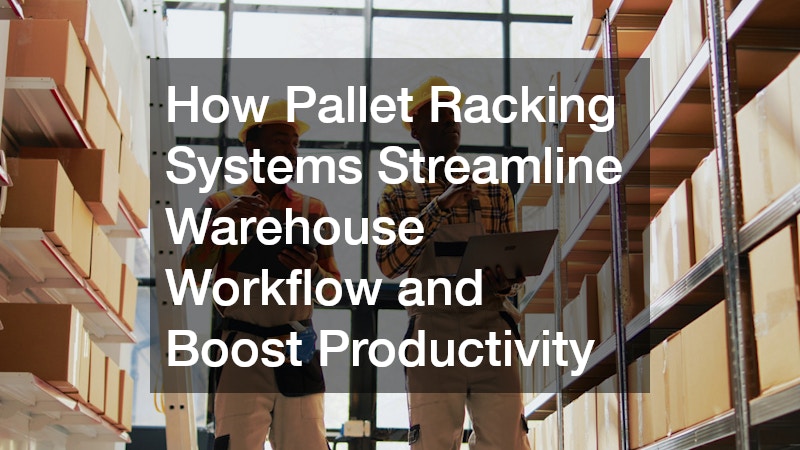
In today’s fast-paced supply chain environment, warehouses must operate with maximum efficiency to meet customer demands and stay competitive. One of the key factors that influence warehouse operations is the storage system in place. Pallet racking systems have become an essential solution for warehouses looking to optimize space, improve workflow, and increase productivity. This article explores how pallet racking systems contribute to smoother warehouse workflows and help businesses achieve higher operational efficiency.
The Role of Pallet Racking in Warehouse Organization
Effective organization is fundamental to any successful warehouse operation. Pallet racking systems provide a structured way to store goods vertically, making use of the often-underutilized height of a warehouse.
By stacking pallets safely and systematically, warehouses can significantly increase storage capacity without expanding their physical footprint.
This vertical storage capability directly impacts workflow. When inventory is organized in clearly defined locations within pallet racks, workers spend less time searching for products. Picking, packing, and replenishing tasks become more streamlined because items are easy to locate and access. The clear visibility and orderly layout supported by pallet racking also reduce the chances of misplaced goods, helping maintain accurate inventory levels.
Enhancing Workflow Efficiency with Pallet Racking
Workflow in a warehouse involves the movement of goods from receiving to storage, order picking, packing, and shipping. Pallet racking systems help optimize these processes by enabling better traffic flow and reducing congestion.
With a well-designed pallet racking layout, pathways and aisles are maximized for forklift and pallet jack movement. This means operators can navigate quickly and safely without unnecessary detours or bottlenecks. The ability to store pallets in designated locations means items can be grouped logically by product type, shipping priority, or turnover rate, further enhancing the flow of goods.
Moreover, pallet racking supports various types of storage strategies such as first-in, first-out (FIFO) or last-in, first-out (LIFO). Choosing the appropriate system based on the warehouse’s operational needs ensures that the workflow aligns with inventory turnover and shelf-life requirements. This alignment reduces errors and speeds up the picking process, ultimately boosting overall productivity.
Supporting Safety and Reducing Errors
Safety is a critical consideration in warehouse operations. Pallet racking systems are engineered to support heavy loads securely and prevent accidents caused by unstable stacking or overloaded storage. This structural integrity allows warehouses to safely use vertical space, which otherwise might remain unused due to safety concerns. In addition, many modern pallet racking solutions include safety features such as guardrails, load indicators, and seismic protection to further enhance workplace safety and compliance with industry regulations.
By organizing products in a consistent and accessible manner, pallet racking reduces the likelihood of errors such as picking the wrong item or damaging goods during handling. Clear labeling and standardized placement help workers quickly identify and retrieve the correct items. Fewer errors translate into less time spent correcting mistakes, lower return rates, and improved customer satisfaction. This systematic approach also facilitates better training for new employees, as standardized layouts are easier to learn and navigate.
Flexibility and Scalability for Growing Operations
Warehouse needs can evolve quickly due to seasonal demand changes, product line expansions, or business growth. Pallet racking systems offer flexibility and scalability to adapt to these changes. Modular racking designs allow warehouses to reconfigure layouts or add new sections without major disruptions. This means businesses can stay agile and responsive in a competitive market.
This adaptability means companies can respond efficiently to fluctuating inventory volumes and changing workflow demands. Whether expanding storage capacity or improving access to high-turnover products, pallet racking supports ongoing process optimization. By enabling quick adjustments, these systems help maintain smooth operations and reduce downtime, ultimately supporting long-term growth and operational resilience.
Integration with Warehouse Technology
Modern warehouses increasingly rely on technology such as warehouse management systems (WMS), automated picking, and real-time inventory tracking. Pallet racking systems complement these innovations by providing a consistent physical framework that supports efficient technology deployment.
For example, WMS software depends on accurate storage locations to track inventory and guide order pickers. Pallet racking enables precise slotting of products, which improves the accuracy of data entered into the system. Additionally, some pallet racking solutions are designed to accommodate automation equipment like conveyors and robotic picking systems, further enhancing workflow efficiency.
The combination of pallet racking and technology creates a seamless workflow from inventory receipt to shipping, maximizing throughput while minimizing errors and delays.
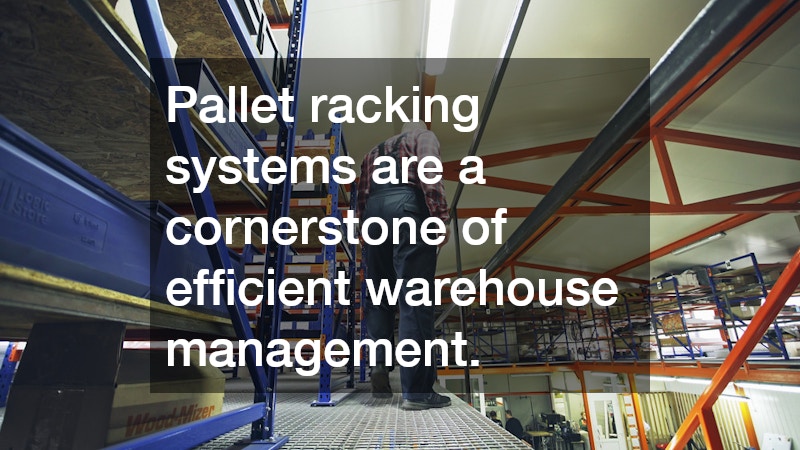
Pallet racking systems are a cornerstone of efficient warehouse management. By maximizing storage capacity, improving organization, supporting safe and logical workflows, and enabling integration with modern technology, pallet racking plays a pivotal role in streamlining warehouse operations. Its flexibility and scalability also make it a smart investment for businesses looking to grow and adapt to changing demands.
Implementing the right pallet racking system not only boosts productivity but also contributes to safer, more accurate, and cost-effective warehouse processes. For companies aiming to optimize their supply chain and maintain a competitive advantage, investing in an effective pallet racking system is a practical and impactful step forward.