Keeping a facility running smoothly means staying ahead of the systems you rarely think about until something goes wrong. Waste management is one of those behind-the-scenes operations that, when neglected, can lead to costly downtime, unpleasant odors, or even code violations. The good news is that with a little planning, you can fold waste services into your existing maintenance schedule just like you would HVAC checks or fire safety inspections. This guide walks through how to build a practical, year-round calendar so nothing slips through the cracks.
Assess Your Facility’s Current Waste Output
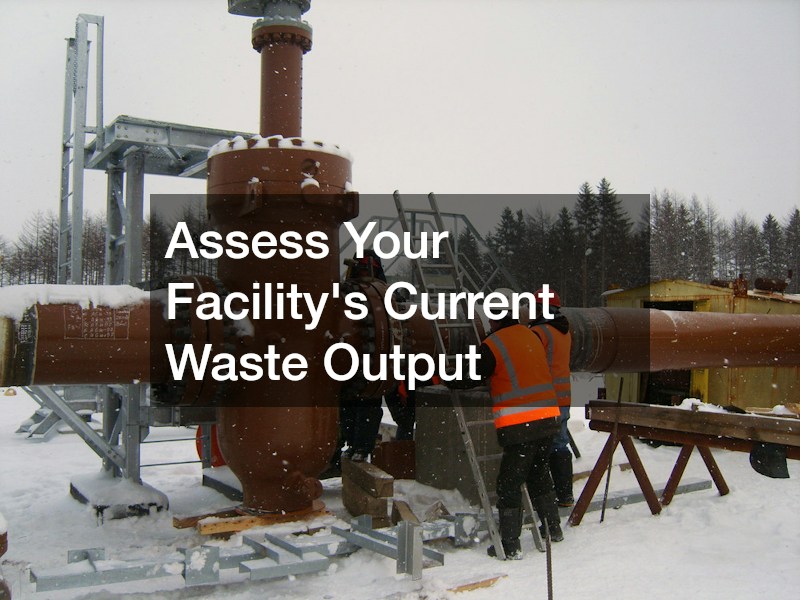
Before you can build a maintenance calendar, you need a clear picture of how much waste your facility generates and what types you’re dealing with. Walk through each department or area and note what gets thrown away, recycled, or requires special handling, such as grease, chemicals, or organic material. This baseline assessment helps you avoid both overpaying for services you don’t need and underestimating capacity, which can lead to overflow problems.
- Track waste volume over a two to four week period for an accurate average
- Separate waste streams by type: general trash, recyclables, food waste, hazardous materials
- Note seasonal fluctuations, such as increased waste during holidays or busy seasons
- Identify any areas generating unexpected volumes, like break rooms or loading docks
Schedule Routine Trash and Recycling Pickups
Once you understand your waste output, you can set a realistic pickup frequency with your hauler. Most facilities benefit from weekly or biweekly service, but high-traffic buildings like restaurants or medical offices may need daily collection to prevent odor and pest issues. Mark these pickup days clearly on your shared facility calendar so staff know when to have bins ready and accessible.
It’s also worth building in a buffer for unexpected volume spikes, such as after an office move or a seasonal event. Many haulers offer on-call or supplemental pickups for these situations, but you’ll want to request them in advance rather than scrambling at the last minute. Consistency here keeps your facility looking professional and prevents overflowing dumpsters from becoming a recurring headache.
Plan for Grease Trap and Kitchen Waste Maintenance
If your facility includes a commercial kitchen or food service area, grease trap maintenance deserves its own line item on the calendar. Grease buildup happens gradually, and without regular cleaning, it can cause backups, foul odors, and even violations during health inspections. Most grease traps need servicing every one to three months, though high-volume kitchens may require more frequent attention.
- Confirm your local health code’s minimum grease trap servicing requirements
- Keep service records on file in case of inspection
- Train kitchen staff to scrape plates and strain waste before washing to reduce buildup
- Watch for slow drains as an early warning sign that service is overdue
Arrange Periodic Septic System Servicing
Facilities that rely on a septic system rather than municipal sewer connections need a different kind of maintenance rhythm. Solid waste and sludge accumulate over time, and if the tank isn’t pumped regularly, it can lead to backups, slow drains, or even system failure that disrupts daily operations. Scheduling commercial septic pumping on a set interval, rather than waiting for warning signs, is the most reliable way to protect your system and avoid emergency repairs.
The right frequency depends on tank size, occupancy, and daily water usage, so it’s worth having a professional evaluate your specific setup. Many facility managers find it easiest to pair this service with an annual inspection, so both tasks happen on the same visit. Building this into your long-term calendar, rather than treating it as a one-off task, keeps your system working quietly in the background exactly as it should.
- Typical commercial systems need pumping every one to three years depending on usage
- Keep a maintenance log noting pump dates, tank condition, and any repairs
- Watch for soggy patches or odors near the drain field as early warning signs
- Schedule service during lower-traffic periods to minimize disruption
Coordinate Hazardous and Specialty Waste Disposal
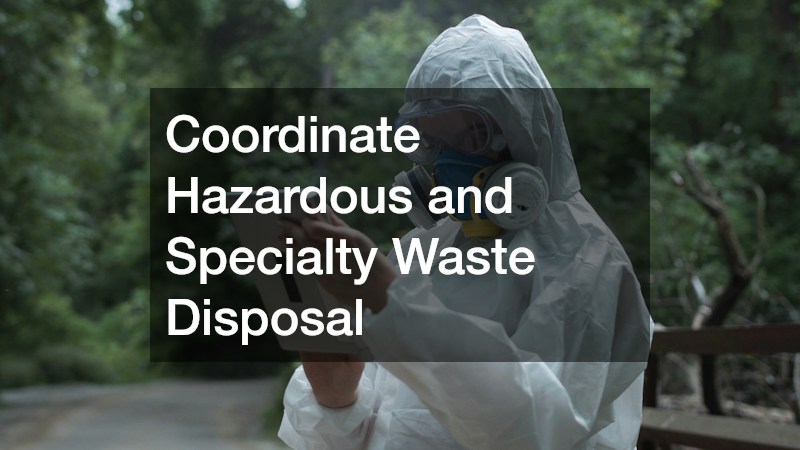
Not all waste can go out with the regular trash, and mixing hazardous materials into standard pickups can create safety risks and legal liability. Items like batteries, electronics, cleaning chemicals, and medical waste typically require specialized handling and separate pickup schedules. Building these into your calendar as distinct recurring tasks, rather than lumping them in with general waste, keeps your facility compliant and safer for everyone.
- Identify which waste streams at your facility qualify as hazardous or regulated
- Research local and state disposal requirements, since rules vary widely
- Store hazardous materials in clearly labeled, secure containers between pickups
- Schedule disposal based on accumulation limits rather than convenience alone
Build in Annual Reviews and Adjustments
A maintenance calendar isn’t something you set once and forget. Facility needs shift as staffing, operations, or square footage change, so it makes sense to revisit your waste service plan at least once a year. Use this review to compare actual service usage against your original estimates and adjust pickup frequency or service types accordingly.
This is also a good time to request updated quotes from service providers and confirm that contracts still reflect your current needs. Facilities that grow or add new operations, like a cafeteria or additional restrooms, often find their original waste plan no longer fits. A short annual check-in prevents small mismatches from turning into bigger operational headaches down the road.
- Compare current waste volume to last year’s baseline
- Review contract terms and pricing for potential renegotiation
- Ask staff for feedback on pickup timing or bin placement issues
- Update the calendar with any new regulations affecting your facility
Mapping waste services into your maintenance calendar doesn’t require a complicated system, just consistent attention and a willingness to review what’s working. Start by auditing your current waste streams, then build out a schedule that covers everything from daily trash pickup to less frequent but equally important tasks. With a clear plan in place, you’ll spend far less time reacting to problems and more time running a facility that operates smoothly year-round.