Property maintenance is an ongoing expense for nearly every business, but many of the costs associated with repairs, replacements, and upkeep can be managed with the right strategy. Waiting until something breaks often leads to emergency service calls, operational disruptions, and larger repair bills. A proactive approach, on the other hand, gives businesses more control over when and how maintenance work is completed.
Reducing maintenance expenses does not mean putting off necessary repairs or choosing the cheapest available service. Instead, businesses can save money by preventing avoidable damage, extending the useful life of building components, organizing maintenance activities, and identifying problems before they become expensive. A well-maintained property can also provide a safer and more productive environment for employees and customers.
Build a Preventive Maintenance Schedule
One of the most effective ways to control maintenance costs is to establish a preventive maintenance schedule. Rather than responding to problems only after they occur, businesses can plan inspections, cleaning, servicing, and minor repairs at regular intervals.
Start by creating a complete list of property assets and systems. This may include roofing, plumbing, electrical equipment, flooring, exterior surfaces, security equipment, parking areas, and storage spaces. Assign each item a recommended inspection or maintenance frequency.
A useful schedule can include:
- Daily checks for obvious safety hazards, leaks, spills, and damage
- Monthly inspections of high-use areas and building systems
- Quarterly reviews of equipment and exterior conditions
- Seasonal maintenance based on weather and operating conditions
- Annual inspections for major building components
Keep records of completed work, identified problems, invoices, warranties, and replacement dates. Over time, these records can reveal patterns. If the same system repeatedly requires repairs, for example, continued patching may cost more than addressing the underlying problem.
Address Small Problems Before They Become Expensive
Minor property problems rarely become less expensive when ignored. A small roof leak can damage ceilings and insulation. A minor plumbing leak can affect walls or flooring. A damaged pavement surface can deteriorate further after repeated exposure to traffic and weather.
Businesses should create a simple reporting process so employees can quickly notify management about maintenance concerns. Employees do not need to diagnose the problem themselves. They simply need to recognize warning signs and report them promptly.
Managers can prioritize issues according to:
- Safety concerns
- Potential for property damage
- Impact on business operations
- The likelihood of becoming more expensive
- Whether the problem affects other building systems
Photographs and written notes can also help maintenance teams track developing problems. If a recurring issue is documented over several months, managers can make better decisions about whether repair, replacement, or additional inspection makes the most financial sense.
Protect Exterior Surfaces With Regular Upkeep
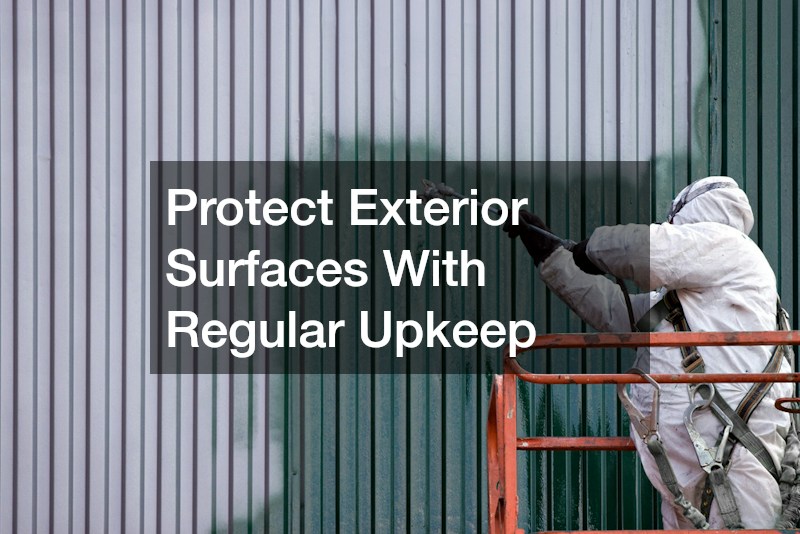
The exterior of a commercial property is exposed to traffic, weather, moisture, sunlight, and temperature changes throughout the year. Regular inspections can help businesses identify deterioration before it requires extensive restoration.
Parking lots and paved areas deserve particular attention. Look for cracks, potholes, standing water, crumbling edges, and drainage problems. Addressing these conditions early can help prevent more extensive deterioration. When professional repairs or resurfacing are necessary, commercial asphalt paving can help businesses maintain usable, safer pavement while potentially extending the life of existing surfaces.
Exterior walls also require periodic attention. Peeling paint, exposed materials, cracks, and signs of moisture can indicate that maintenance is overdue. Regular commercial exterior painting can help protect surfaces while improving the property’s appearance. Before scheduling painting, businesses should inspect the underlying surfaces and correct moisture or structural issues.
Maintain Electrical and Plumbing Systems
Electrical and plumbing problems can quickly become expensive, particularly when they interfere with business operations. Preventive inspections help identify aging components, leaks, damaged connections, and other problems before they result in major failures.
Businesses should maintain records for electrical equipment, repairs, upgrades, and inspections. Commercial electrical maintenance services can help identify developing problems and keep systems operating properly. Regular maintenance may also reveal equipment that is becoming inefficient or approaching the end of its useful life.
When electrical work requires professional attention, businesses should use qualified commercial electricians. Attempting to reduce expenses by having unqualified personnel perform specialized electrical work can create safety hazards and potentially lead to more expensive problems.
Plumbing deserves similar attention. Managers should watch for:
- Dripping faucets or fixtures
- Slow drains
- Unexplained increases in water consumption
- Low water pressure
- Discoloration around pipes or ceilings
- Repeated backups
- Unusual odors
Commercial plumbers can investigate persistent problems and identify issues that may not be obvious during a routine visual inspection. Addressing leaks and failing components early can help limit water damage and prevent disruption to business operations.
Prevent Water Damage and Protect the Roof
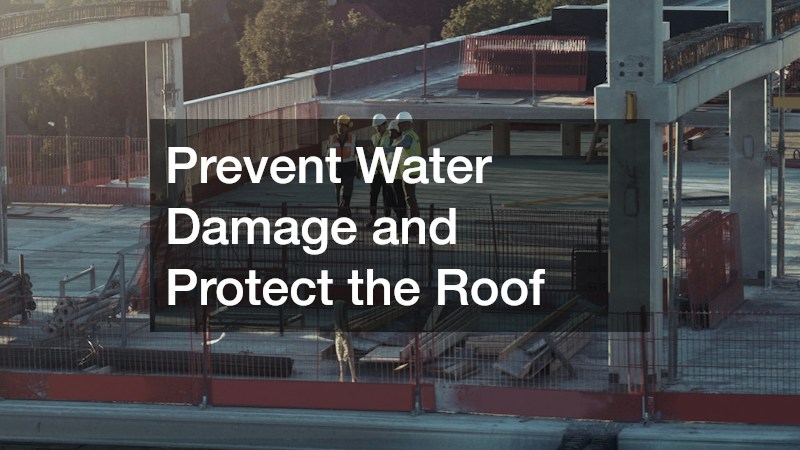
Roof and water damage can affect multiple parts of a property simultaneously. A relatively small roofing problem may eventually damage ceilings, insulation, walls, flooring, equipment, and inventory.
Businesses should schedule roof inspections at appropriate intervals and after significant weather events. Pay attention to flashing, seams, drainage systems, penetrations, damaged roofing materials, and areas where water appears to collect.
Warning signs that deserve attention include:
- Water stains on ceilings or walls
- Damp insulation
- Peeling interior finishes
- Mold or musty odors
- Missing or damaged exterior materials
- Blocked drainage systems
A commercial roofing company can evaluate a roof’s condition and determine whether maintenance, repair, or replacement is appropriate. The goal is not necessarily to replace an aging roof immediately. Instead, businesses should understand their condition and plan for necessary work before a failure creates an emergency.
Reduce Interior Cleaning and Replacement Costs
Interior maintenance expenses can add up, especially in businesses with high employee or customer traffic. Flooring, carpets, walls, furniture, and other surfaces experience daily wear, but routine care can help extend their useful life.
Start by identifying areas that experience the most traffic. Entrances, hallways, waiting areas, break rooms, and shared workspaces may require more frequent cleaning than low-use areas.
Businesses can reduce unnecessary wear by:
- Using entrance mats to limit dirt and moisture
- Cleaning spills as soon as they occur
- Establishing appropriate cleaning schedules
- Using cleaning products suitable for each surface
- Addressing stains before they become permanent
- Training employees to report spills and damage promptly
Regular commercial carpet cleaning services can help businesses maintain carpeted areas and potentially delay premature replacement. Cleaning frequency should reflect traffic levels and the type of business rather than relying on a one-size-fits-all schedule.
Improve Security to Reduce Preventable Losses
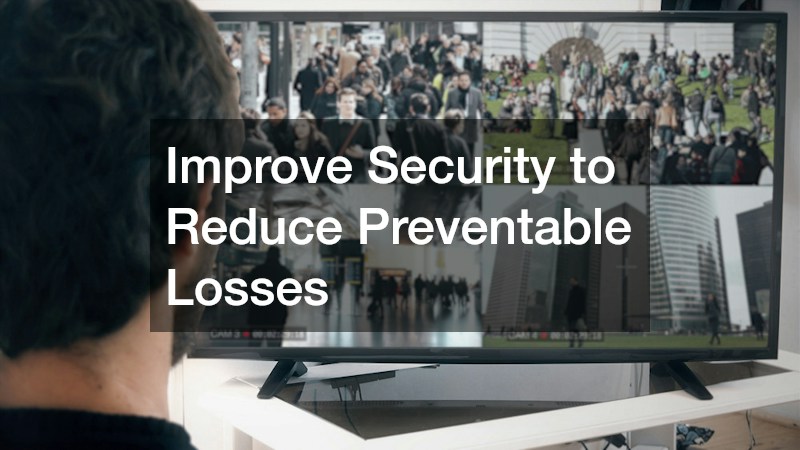
Maintenance costs are not limited to normal wear and tear. Theft, vandalism, unauthorized access, and property damage can create unexpected expenses. Businesses can reduce some of these risks by identifying vulnerable areas and improving security procedures.
Start by evaluating entrances, parking areas, storage spaces, equipment rooms, and other locations where unauthorized activity could create problems. A commercial security camera system can provide useful monitoring capabilities when cameras are strategically positioned and properly maintained.
Security equipment should be inspected periodically. Businesses should verify that cameras are functioning, recording systems have adequate storage capacity, and equipment remains appropriately positioned.
Security improvements can also include simple operational changes:
- Restrict access to sensitive areas
- Maintain accurate key and access records
- Keep exterior areas adequately illuminated
- Review unusual incidents for recurring patterns
- Establish procedures for reporting suspicious activity
- Regularly review whether security equipment still meets operational needs
Preventing a single significant incident can potentially offset the cost of maintaining appropriate security measures.
Review Insurance Alongside Property Risks
Insurance should not replace preventive maintenance, but it should be part of a broader property risk-management strategy. Businesses should periodically review whether their coverage remains appropriate as their property, equipment, inventory, and operations change.
A commercial insurance service can help businesses evaluate coverage needs and identify potential gaps. Managers should keep records of significant improvements, equipment purchases, repairs, inspections, and other property changes that may be relevant to their insurance arrangements.
Businesses should also understand the distinction between maintenance responsibilities and covered losses. An insurance policy generally should not be viewed as a reason to postpone routine maintenance.
When reviewing property risks, consider:
- The age and condition of major building systems
- The value of equipment and inventory
- Potential water, fire, and weather-related risks
- Security vulnerabilities
- Changes to business operations
- Recent renovations or additions
Keeping detailed maintenance documentation can also make it easier to demonstrate that the business takes reasonable steps to care for its property.
Control Inventory and Avoid Unnecessary Space Costs
Poor organization can create maintenance expenses that are easy to overlook. Businesses may purchase duplicate supplies, lose track of equipment, allow materials to deteriorate, or pay for more space than they actually need.
Conduct periodic inventory reviews to determine what is being used and what is simply occupying space. Separate frequently used materials from seasonal or rarely needed items.
When additional space is needed, commercial storage can provide a solution for organizing inventory, equipment, records, or other materials outside the primary business location. However, businesses should compare storage costs against alternatives before committing to additional space.
An effective inventory system should include:
- Clearly labeled items
- Accurate quantity records
- Designated storage locations
- Procedures for removing obsolete materials
- Regular inventory reviews
- Appropriate environmental conditions for sensitive items
Better organization can reduce wasted purchases while making it easier to identify damaged or missing property.
Compare Vendors Based on Long-Term Value
The lowest initial estimate is not always the least expensive option over the life of a project. Businesses should evaluate contractors based on the full scope of work, materials, warranties, expected service life, maintenance requirements, and experience.
When comparing proposals, ask vendors to provide detailed information about what is included. A quote that appears less expensive may exclude important preparation, materials, cleanup, follow-up service, or other costs.
Businesses should track vendor performance over time. Consider:
- Total spending
- Response times
- Recurring repair needs
- Quality of completed work
- Warranty performance
- Communication
- Scheduling reliability
Service agreements can also be useful for recurring maintenance by providing predictable costs or reducing emergency service calls. However, businesses should review the actual services included and determine whether the agreement addresses their property’s needs.
Combine Compatible Maintenance Projects
Scheduling related projects together can reduce administrative work and potentially lower labor and mobilization expenses. Businesses should review their maintenance calendar regularly to identify opportunities for coordination.
For example, exterior maintenance may be easier to organize when related inspections and repairs are planned during the same project period. Interior work can similarly be coordinated to minimize repeated interruptions to employees and customers.
Before combining projects, confirm that doing so will not compromise the quality of the work. Contractors should have clearly defined responsibilities, timelines, and access requirements.
Track Maintenance Spending and Look for Patterns
Businesses cannot effectively reduce costs if they do not know where their money is going. A basic maintenance expense-tracking system can reveal which areas consume the largest portion of the budget.
Separate routine maintenance, emergency repairs, major projects, and asset replacements. Then review the information periodically.
Look for patterns such as:
- Repeated repairs to the same equipment
- Increasing emergency service costs
- Frequent water-related problems
- Rising cleaning expenses
- Aging systems require more frequent attention
- Repairs that consistently exceed original estimates
A recurring repair may indicate that replacement is becoming more economical. Conversely, a relatively inexpensive preventive service may be worthwhile if it consistently prevents larger problems.
Train Employees to Protect the Property
Employees interact with the property every day, making them an important part of any maintenance strategy. Staff members may notice unusual sounds, leaks, damaged equipment, security concerns, or other warning signs before management does.
Training does not need to be complicated. Employees should understand what problems to report, who to contact, and how quickly significant issues should be communicated.
Businesses can establish simple reporting procedures for:
- Water leaks
- Electrical concerns
- Property damage
- Security incidents
- Spills
- Equipment problems
- Unusual odors or sounds
Employees should also receive appropriate guidance on the use of shared equipment and facilities. Preventing misuse and responding quickly to problems can reduce unnecessary wear and help managers address issues before they become unmanageable.
Plan Major Replacements Before Emergencies
Eventually, every major building component will require replacement. The key is to plan for that expense rather than allowing an unexpected failure to dictate the timing.
Maintain records showing when major assets were installed, what repairs they have received, their warranties, and their expected service life. Identify systems approaching the end of their useful life and begin budgeting accordingly.
Planned replacement provides more control over scheduling, vendor selection, financing, and business disruption. It also gives managers time to compare options rather than selecting a solution under emergency conditions.
A long-term replacement plan might include:
- Roofing systems
- Plumbing equipment
- Electrical infrastructure
- Flooring
- Exterior finishes
- Security equipment
- Major mechanical systems
When repair costs continue to increase for an aging asset, compare the accumulated repair expense with the projected costs and benefits of replacement.
Businesses should start by reviewing their current maintenance schedule and identifying recurring problems. From there, managers can prioritize preventive work, improve vendor coordination, monitor spending, and establish replacement plans for aging assets. A consistent approach can make maintenance more predictable, reduce avoidable emergencies, and help preserve the property’s value over time.