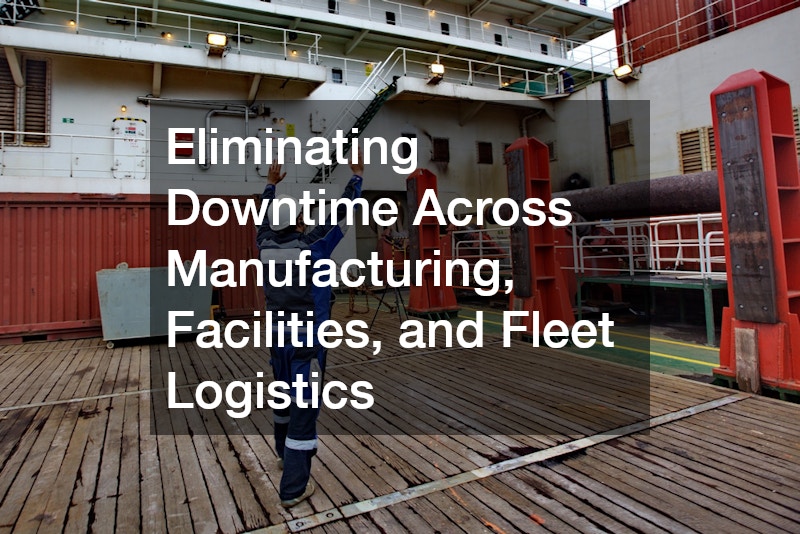
Industrial profitability is fundamentally dictated by uptime. When physical assets—whether stationary factory machinery, heavy material handlers, or long-haul transport trucks—cease operating, revenue generation stops instantly. The financial burden of unplanned operational halts extends far beyond immediate labor costs and lost throughput; it cascades into supply chain bottlenecks, missed delivery windows, severe contract penalties, and permanently reduced asset lifespans. Achieving high operational yield requires viewing production and logistics not as distinct silos, but as an interconnected mechanical continuum. Disruptions on the manufacturing floor degrade shipping schedules, while delays in freight logistics choke the intake of raw materials and site supplies. True operational resilience demands a unified equipment management strategy that spans production facilities, site infrastructure, and mobile fleets.
A modern industrial enterprise must approach asset care through the lens of continuous availability. Every minute a conveyor belt sits motionless or a transport tractor sits disabled on a highway shoulder, represents a compounded loss of organizational momentum. By standardizing component monitoring, standardizing vendor response networks, and eliminating blind spots between physical facility maintenance and mobile fleet management, companies build a defensive shield against unplanned downtime. This holistic framework transforms maintenance from a reactive expense center into a predictable, value-generating competitive advantage.
The Hidden Multipliers of Operational Stoppage
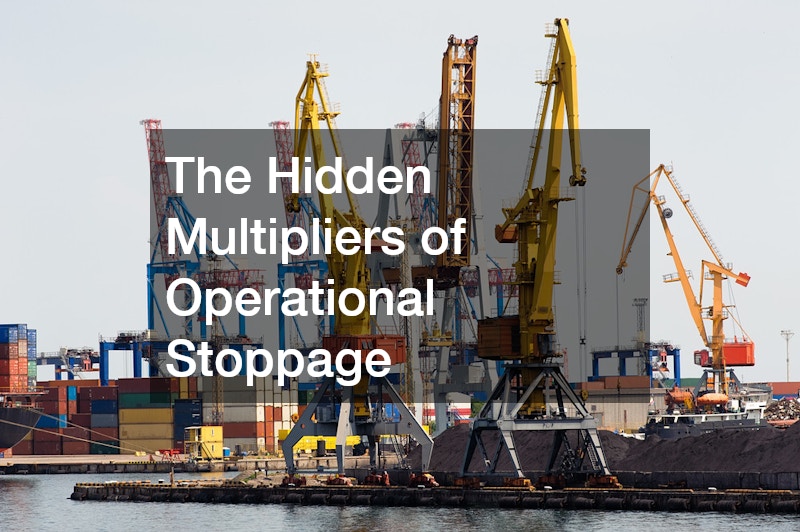
Unplanned equipment failures rarely remain localized. A single component breakdown inside a facility can stall an entire assembly process, causing a downstream backup that leaves transport fleets idling. Conversely, a logistics delay in transporting crucial materials can halt assembly lines just as effectively as an internal mechanical fault. When asset managers calculate the cost of mechanical disruptions, they often focus strictly on primary repair bills. The true total cost incorporates severe secondary penalties like paying idle machine operators who are unable to work, incurring expedited transit fees to clear post-outage backlogs, facing contract penalties for missed delivery windows, and causing accelerated equipment wear by forcing surrounding systems to run past design limits to make up for lost time. Preventing these cascading expenses requires a systematic maintenance model that monitors critical assets across every operational node.
Beyond immediate financial strain, systemic operational stoppages create severe administrative friction across the entire enterprise ecosystem. Unscheduled machine downtime disrupts precise inventory management models, causing raw material overstock at receiving docks while simultaneous finished-goods shortages leave fulfillment centers completely bare. This volatility forces plants to hold excess safety stock as a protective cushion, locking up substantial liquidity in unused inventory that could otherwise fund technological modernization or facility expansion.
The psychological impact on workforce productivity and supply chain partner trust represents another critical multiplier. Repeated equipment failures erode operational cadence, forcing line managers into perpetual crisis-management modes rather than strategic optimization. When skilled technicians and machine operators are constantly pulled into high-stress emergency repairs, job satisfaction plummets, turnover rates increase, and safety protocols are far more likely to be compromised under the rush to restore baseline output. Furthermore, logistics partners and end customers who experience unpredictable dispatch schedules due to unmitigated mechanical outages will naturally seek more reliable supply alternatives over time. Commercial relationships built over decades can dissolve rapidly after a few high-profile missed deliveries, severely damaging market reputation in highly competitive industrial sectors.
Optimizing Fixed Assets and Production Equipment
The center of any industrial operation is its core machinery. Maintaining high output in processing environments requires keeping secondary support systems and heavy bulk-handling equipment in optimal working order. Facilities that process raw resources rely heavily on robust industrial equipment to move materials efficiently from storage into active processing lines. Similarly, multi-use agricultural processing environments and rural distribution hubs depend on durable farm equipment to manage bulk loading, feeding, and regional material distribution. If these primary movers stall, processing stops before raw materials ever reach the main line.
A continuous maintenance cycle relies on predictable intervals rather than reactive interventions. Structuring upkeep around component runtime rather than arbitrary calendars ensures high-volume systems are serviced before failure occurs. In material processing environments, focusing on heavy milling equipment through automated lubrication and routine vibration analysis prevents bearing seizures and drive wear. For general material handling like loading and sorting, regular fluid sampling paired with timely hydraulic cylinder repair keeps fluid power systems performing reliably. On the structural side, conducting dynamic load testing and sourcing high-quality builders supply materials ensures staging platforms and heavy plant framing withstand daily operational stress. Proactive hydraulic maintenance is especially vital, as maintaining hydraulic systems eliminates minor pressure drops and micro-leaks before they evolve into complete fluid power loss, preserving factory automation performance.
Expanding Facility Infrastructure without Halting Output
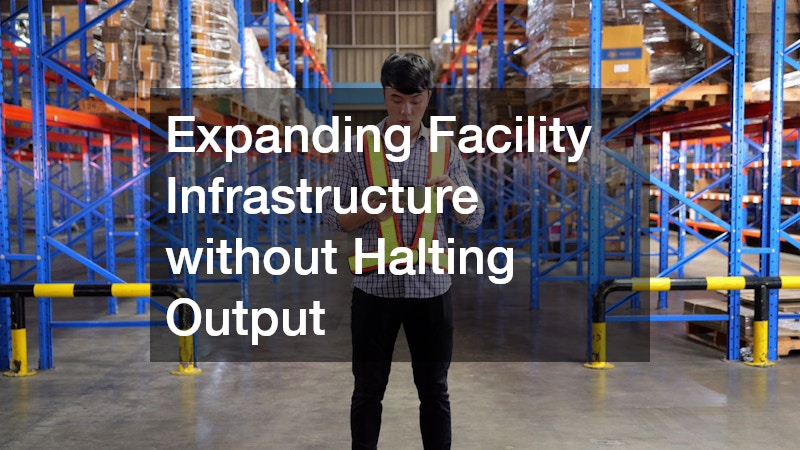
Plant expansions, layout reconfigurations, and structural updates present distinct operational risks. Construction or maintenance activities within an active facility must proceed without interrupting baseline production schedules. Upgrading structural framing, installing heavy staging racks, or expanding storage bays requires specialized structural components. Securing durable builders supply materials ensures structural enhancements withstand heavy daily exposure to forklifts and overhead loads. During facility modifications, temporary equipment helps maintain workflow while permanent infrastructure is offline. Utilizing specialized crane rentals allows facilities to drop heavy production machinery through roofing structures or place high-capacity units without occupying main facility drive aisles. Simultaneously, relying on a construction equipment rental strategy provides targeted access to earthmovers, compactors, and scissors lifts only for the duration of the build, preventing capital tie-up in seldom-used machinery.
Adopting a flexible equipment strategy gives facility operators complete control over machine specifications tailored directly to unique project demands. By renting temporary assets, plants can acquire late-model overhead lifts or specialized earthmovers equipped with modern safety technology, avoiding the long-term burden of depreciating physical assets and ongoing maintenance overhead. Furthermore, temporary rentals mitigate space constraints inside dense industrial footprints, as machinery is returned the moment structural phases conclude rather than occupying valuable staging areas. Facility managers can also dynamically scale their fleet size up or down based on shifting project phases, maintaining total financial agility while keeping capital expenditures aligned directly with revenue-generating operations.
Integrating temporary machinery with ongoing plant activities requires precise scheduling, such as staging lifted equipment during off-peak hours and maintaining dedicated safety perimeters to protect active assembly lines from disruption. Proper site logistics planning also involves designating specific, isolated corridors for contractor access and heavy machinery traffic. By keeping construction movements separate from active material pathways, plant managers ensure that ongoing expansion efforts never compromise daily manufacturing quotas or internal warehouse safety.
To guarantee zero operational friction during complex structural modifications, facility teams should establish rigorous communication channels between site contractors and line supervisors. Daily shift briefings help synchronize heavy crane lifts or material deliveries with planned line lulls, preventing unexpected noise, vibration, or structural interference from halting sensitive manufacturing processes. Installing temporary dust barriers, modular acoustic walls, and specialized ventilation systems further shields nearby assembly workers from airborne debris and excessive noise. By meticulously controlling environmental conditions and physical access routes, plant managers construct a protective operational envelope that preserves core manufacturing metrics throughout every phase of physical facility evolution.
Fleet Reliability and Long-Haul Logistics Infrastructure
A perfectly optimized manufacturing line creates little value if finished goods cannot leave the facility. Mobile assets form the physical bridge between production facilities and end customers. Maintaining freight uptime requires the same systematic maintenance rigor applied to fixed plant machinery. Tractor and primary engine systems require constant oversight through specialized engine repair services and targeted freightliner repairs, backed up by reliable recovery contingencies. Simultaneously, auxiliary and hydraulic equipment like secondary lifts and cargo handling systems demand continuous upkeep to prevent unexpected bottlenecks during loading and transit.
Class 8 trucks and heavy transport vehicles operate under extreme thermal and mechanical loads. Ensuring engine systems remain operational requires partnering with skilled engine repair companies to conduct routine oil analysis, valve adjustments, and cooling system flushes. Catching early wear in turbochargers or fuel injectors prevents roadside failures far from service hubs. For specialized highway fleets, dedicated service protocols for Freightliner repairs guarantee that vehicle electrical systems, drivetrains, and emission controls conform to strict fleet standards. Addressing small electrical glitches early stops minor sensor faults from triggering derate modes during transit. Furthermore, engine idling during driver rest periods or long dock wait times accelerates engine wear, wastes fuel, and increases maintenance costs. Integrating a standalone APU system on long-haul tractors provides independent climate control and electrical power without running the primary engine. Proper auxiliary power unit maintenance reduces primary engine runtime by hundreds of hours annually, directly extending service intervals for main oil changes, reducing exhaust aftertreatment system wear, and lowering overall operational fuel costs.
Emergency Contingencies and Rapid Recovery Protocols
Even the most rigorous preventive maintenance programs cannot eliminate every potential failure. Rapid recovery procedures are essential to contain disruptions when unexpected breakdowns occur on the factory floor or on the highway. When a heavy transport unit breaks down en route, rapid response protocols are necessary to protect temperature-sensitive cargo and prevent missed delivery windows. Establishing pre-negotiated contracts with professional truck towing services ensures immediate dispatch of heavy-duty recovery units. Quick towing to certified repair facilities prevents secondary accidents on highway shoulders and minimizes total transit delays.
Beyond basic towing agreements, fleet managers must integrate live telemetry routing to reroute nearby secondary haulers, enabling seamless cargo transfer before thermal drift or strict delivery thresholds are breached. On-site dispatchers should maintain real-time visibility into local service networks to bypass high-occupancy repair corridors, drastically cutting down total idle time on the shoulder. Building strategic partnerships with mobile field-repair units creates a crucial buffer, resolving minor electrical or pneumatic failures right at the breakdown site without requiring a full haul to a distant depot.
To minimize downtime across production and fleet operations, facilities should implement standard emergency procedures for sudden mechanical stops. The first step involves immediate isolation of the failing component or vehicle to prevent secondary damage to surrounding systems or drayage operations. Technicians must then perform rapid diagnostics using onboard diagnostics or dynamic monitoring systems to determine whether repair can occur on-site or requires off-site shop service. Next, operational managers execute contingency deployment by activating temporary support options, such as bringing in temporary power units or backup transport vehicles, to maintain core workflow.
This stage demands a pre-staged inventory of critical assemblies, fast-swap components, and modular hardware that floor technicians can drop into place instantly, keeping surrounding production cells operating at baseline capacity. Floor leads must immediately update digital scheduling systems, rebalancing active work orders across redundant machinery to absorb load shocks seamlessly. Finally, teams perform root cause analysis by documenting exact operational conditions at the time of failure to adjust future preventive maintenance intervals accordingly. Establishing standard escalation pathways ensures that ground operators can make immediate decisions regarding asset replacement or repair dispatch without navigating bureaucratic approval delays.
Predictive Analytics, Condition Monitoring, and Enterprise Alignment
Modern industrial operations rely increasingly on data-driven predictive maintenance alongside scheduled preventive services. Installing Internet of Things sensors across plant machinery and fleet assets provides real-time visibility into equipment health, with raw telemetry flowing directly into predictive analytics engines that automatically trigger service dispatches before physical failures occur. Vibration sensors, thermal imaging, and fluid analysis tools provide early warning indicators long before an asset suffers physical failure. Continuous vibration analysis detects subtle bearing imbalances in rotating industrial equipment before catastrophic seizure occurs. Thermal imaging highlights electrical resistance hot spots in power distribution panels and mechanical friction in hydraulic systems. Fluid analysis tracks metal wear particles in heavy transport engines, signaling the need for intervention from engine repair companies before complete mechanical failure occurs. Furthermore, telematics tracking monitors fleet fault codes, auxiliary power usage, and brake system health remotely, allowing fleet managers to schedule maintenance during planned layovers rather than highway emergencies.
Eliminating operational downtime ultimately requires aligning maintenance priorities across factory floor operations, facility infrastructure management, and outbound logistics networks. Viewing these distinct operational areas as a single connected system allows businesses to protect production targets, lower overall service costs, and build a resilient supply chain capable of consistent execution. Strategic investment in high-grade components, systematic preventive maintenance, and robust emergency recovery protocols forms the foundation of modern manufacturing and distribution efficiency. By proactively addressing mechanical wear across all operational assets, industrial enterprises secure sustained throughput and maintain a competitive operational edge. Over time, the integration of predictive telemetry, standardized repair partnerships, and a culture centered on uptime resilience transforms operational risk into a key engine for enterprise growth.