Technology continues to reshape modern agriculture, providing growers with innovative tools to improve efficiency, increase production, and better manage valuable resources. As demand for fresh produce, ornamental plants, and specialty crops continues to grow, agricultural businesses are seeking solutions that support consistent quality while adapting to changing environmental conditions. Smart technology has become an essential part of this evolution, helping growers make informed decisions through automation, real-time monitoring, and data analysis.
The Evolution of Greenhouse Technology
Greenhouses have long been used to protect crops from unpredictable weather while extending growing seasons. Traditional greenhouse management relied heavily on manual observations and hands-on adjustments to regulate temperature, humidity, and watering schedules.
Although these methods remain valuable, technological advancements have significantly expanded what growers can accomplish.
Today’s systems combine sensors, software, and automated equipment to monitor environmental conditions continuously. Instead of reacting after problems develop, growers can identify trends early and make adjustments before crops are affected. This proactive approach supports more consistent production while reducing unnecessary labor.
Technology has also made greenhouse operations more scalable. Whether managing a small growing facility or large commercial greenhouses, operators can use digital systems to oversee multiple growing zones with greater accuracy and efficiency.
Automated Climate Control Systems
Maintaining the ideal climate is one of the most important aspects of successful greenhouse production. Smart technology allows heating, cooling, ventilation, and shading systems to work together automatically based on current environmental conditions.
Instead of making manual adjustments throughout the day, automated controls respond immediately as temperatures or humidity levels change. Ventilation systems may open roof vents when temperatures rise, while heating systems activate during cooler periods to maintain consistent conditions.
This level of automation improves efficiency while reducing energy waste. Equipment operates only when needed, helping growers manage operational costs while creating a stable environment for plant growth.
Precision Irrigation and Water Management
Water management has become increasingly important as growers seek to conserve resources while maintaining healthy crops. Smart irrigation systems use soil moisture sensors and weather data to determine exactly when plants need water.
Rather than following fixed schedules, automated systems deliver irrigation based on actual growing conditions. This approach helps prevent both overwatering and underwatering, improving plant health while reducing water consumption.
Many greenhouse operations also incorporate fertigation systems that deliver nutrients through irrigation lines. Automated monitoring helps maintain consistent nutrient levels, allowing plants to receive the resources they need throughout each stage of development.
Data-Driven Crop Management
Modern greenhouse software collects valuable information over time, allowing growers to identify patterns and improve future production. Historical data can reveal how temperature, humidity, irrigation, and lighting affect crop performance during different seasons.
Instead of relying solely on experience, growers can use measurable information to make decisions about scheduling, resource allocation, and production planning. These insights often lead to greater consistency and improved operational efficiency.
For operators managing multiple commercial greenhouses, centralized software platforms simplify oversight by providing access to performance data across multiple facilities from a single dashboard. This visibility allows managers to compare results and implement best practices across their operations.
Remote Access and Mobile Management
One of the greatest advantages of today’s greenhouse technology is remote accessibility. Many modern control systems allow growers to monitor and manage greenhouse operations using computers, tablets, or smartphones.
Whether traveling between facilities or away from the property, operators can review environmental conditions, receive alerts, and make adjustments from virtually anywhere with internet access. This flexibility reduces response times and allows growers to remain connected to their operations throughout the day.
Remote management also improves convenience for larger agricultural businesses by reducing the need for constant on-site supervision while maintaining confidence that systems continue operating as intended.
Supporting Sustainable Agriculture
Sustainability has become an increasingly important priority for agricultural businesses. Smart technology supports sustainability by improving resource efficiency and reducing unnecessary waste.
Automated irrigation conserves water, energy-efficient climate systems reduce power consumption, and precise nutrient management minimizes excess fertilizer use. Together, these improvements help greenhouse operators lower environmental impact while maintaining productive growing conditions.
Technology also supports healthier crop production by creating consistent environments that reduce plant stress and improve overall growing performance. These efficiencies contribute to more responsible agricultural practices while supporting long-term operational success.
Preparing for the Future of Greenhouse Farming
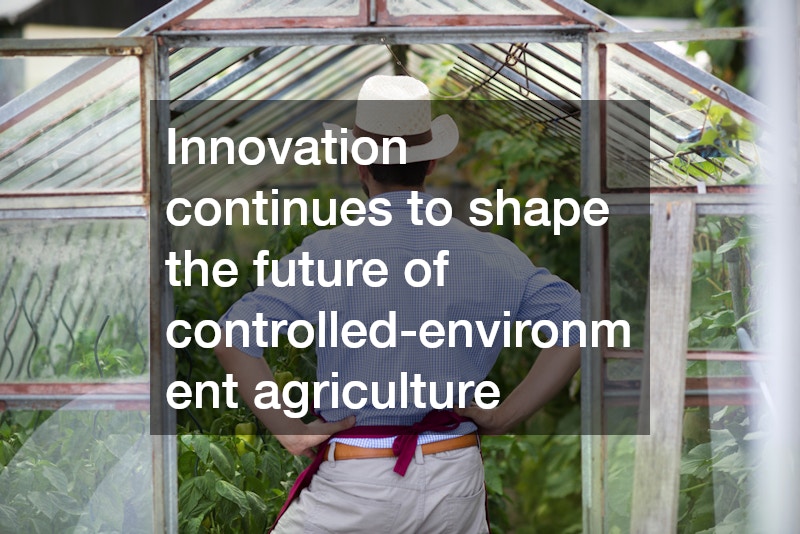
Innovation continues to shape the future of controlled-environment agriculture. Artificial intelligence, machine learning, robotics, and advanced analytics are becoming increasingly integrated into greenhouse operations.
Future systems may provide even greater predictive capabilities by analyzing historical trends alongside real-time environmental data. Automated harvesting equipment, robotic monitoring systems, and enhanced disease detection technologies are already beginning to transform portions of the industry.
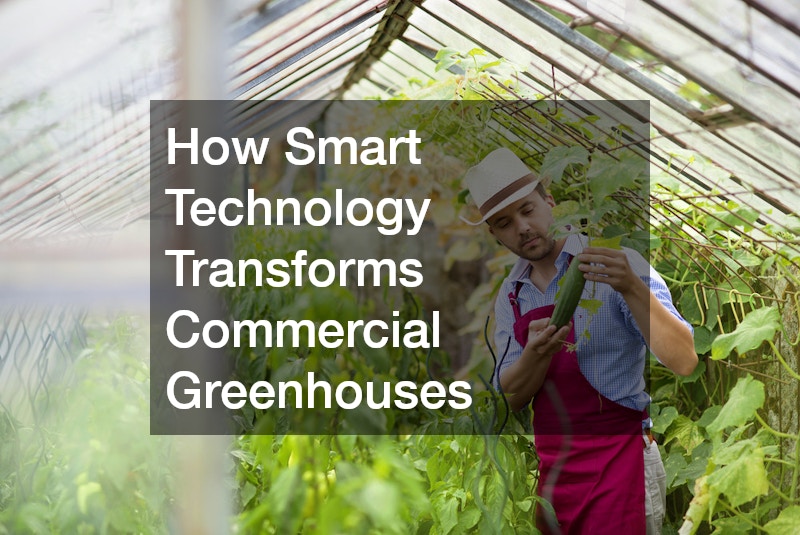
Smart technology has transformed greenhouse operations by giving growers greater control over every stage of crop production. Through automation, environmental monitoring, precision irrigation, and data-driven decision-making, today’s systems support more efficient and consistent growing conditions than ever before.
For businesses operating commercial greenhouses, investing in modern technology can improve resource management, increase productivity, and support long-term sustainability. As new innovations continue to emerge, greenhouse operators will have even more opportunities to optimize their facilities and meet the growing demand for high-quality crops.
The future of greenhouse farming is built on information, automation, and adaptability. By integrating smart technology into everyday operations, growers can create resilient production systems that are prepared for the evolving needs of modern agriculture.